We are blessed to live during a time when scientific innovation has produced numerous vaccines that are highly effective at targeting disease-causing organisms, including the virus that causes COVID-19.
Thanks to decades of work by top scientists and physicians, vaccines have almost wholly eradicated many diseases that at one time would have resulted in severe illness, disfigurement, and often death. However, widespread misinformation over the past several years has led to vaccine hesitancy, particularly regarding the COVID-19 vaccine.
Understanding how the COVID-19 vaccine works and dispelling common myths about it is essential to help people make an informed decision and help our community eradicate this disease once and for all. COVID-19 On The Rise – How You Can Help – FNPWrite.com (fnp-write.com)
How do the mRNA COVID-19 vaccines work?
While messenger RNA (mRNA) vaccines are new to the public, scientists have been developing and studying them for decades. Many vaccines use a weakened or inactive virus to initiate an immune response in our bodies. That immune response causes our bodies to produce antibodies that will target that virus should we be exposed to the real thing.
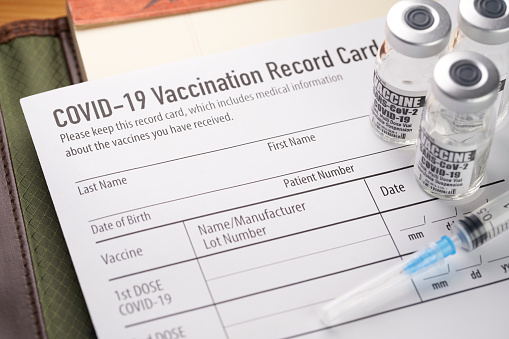
The COVID-19 mRNA vaccines work differently. The mRNA vaccine gives our bodies instructions on producing a harmless spike protein. This protein is found on the surface of the COVID-19 virus and helps it enter our cells and cause illness. Even though our cells produce the spike protein following immunization, our bodies still recognize it as a “foreign invader” and produce antibodies to fight it. Targeting this protein is particularly helpful with diseases such as COVID-19 since the virus itself frequently mutates. Once our bodies have made the spike protein, it breaks down and eliminates the mRNA within a few days of vaccination.
Common myths and misinformation
• COVID-19 vaccines can cause variants of the virus: COVID-19 vaccines do not cause or create variants of the illness. However, new variants emerge because of the virus’s continuous mutation. The vaccine can help prevent new variants from occurring by reducing the virus’s spread and lowering its chances of mutation.
• COVID-19 vaccines can change or alter my DNA: COVID-19 vaccines do not interact with our DNA in any way. Instead, the vaccine delivers instructions to our cells to start building protection, but the substance never enters the nucleus of our cells, which is where our DNA is stored and protected.
• COVID-19 vaccines cause the COVID-19 illness: None of the FDA-approved vaccines contain the live virus, and therefore cannot cause you to contract the actual disease. However, the vaccine does initiate an immune response within our bodies, which can produce symptoms such as fever, chills, and body aches. These are all natural reactions and signs that our body is building the immunity it needs to fight the actual virus.
• COVID-19 vaccines can cause a positive viral test: Viral tests are only positive when there is an active infection. Vaccines can cause a positive antibody test which means that they have done their job and helped our bodies produce the necessary immunity to fight the intended virus.
It is important to remember that getting the vaccine does not mean that you cannot contract COVID-19. However, vaccinated individuals typically have less severe symptoms and have a much lower chance of requiring intubation or dying from the disease. When it comes to your health, make sure you get information from reputable sources and speak with your primary care provider regarding the right decision for you. If we all work together, we can stop this disease once and for all!
For more information, visit the CDC website: Understanding How COVID-19 Vaccines Work | CDC.
 FNPWrite.com