
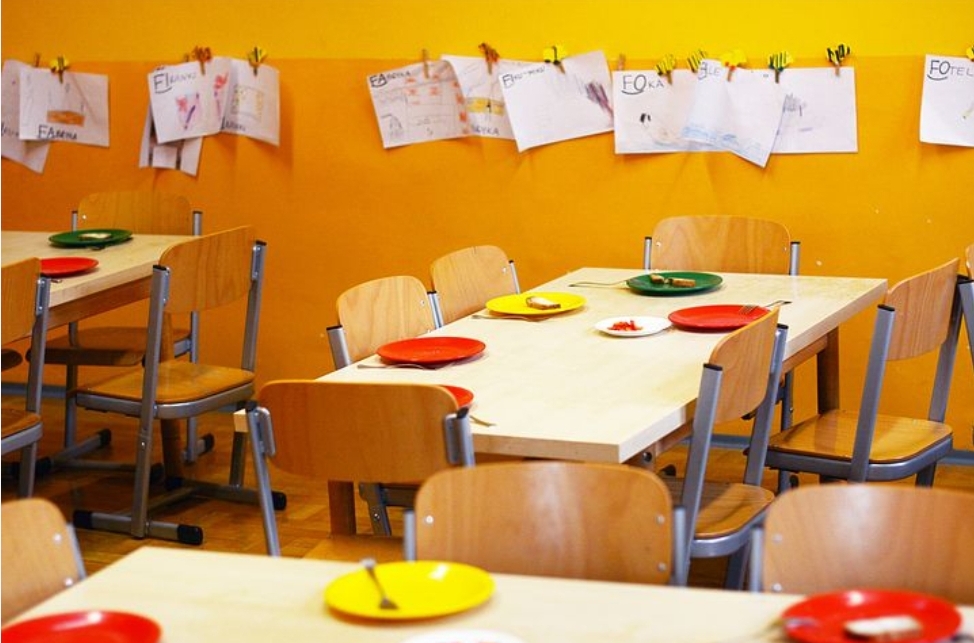
The school year is officially in session for most children. School is where children learn new subjects, grow physically and cognitively, broaden their skills, and, unfortunately for many, develop illnesses and injuries. Teaching them essential habits early on can show them how to prioritize health during the school year and for the rest of their lives. As parents, teachers, and family members, we can do many things to help our children have a healthy school year.
Ensure Vaccinations Are Up To Date
Vaccines are the best way to prevent the spread of infectious diseases. Unfortunately, the CDC reported a declining number of children receiving vaccinations according to schedule during the COVID-19 pandemic. On-time vaccination protects kids before they are exposed to highly contagious and life-threatening diseases like measles, whooping cough, and chickenpox. It can also protect your child’s classmates, friends, and family. In addition, COVID-19 vaccines are now approved for children older than six months. See your pediatrician to determine which vaccines are appropriate for your child, including the yearly flu vaccine.
Proper Hand Hygiene
Good hand hygiene is one of the best ways to remove germs and prevent the spread of colds, flu, viruses, and other diseases. Therefore, it’s essential that we teach children proper hand hygiene techniques to use before eating; after using the bathroom; and after coughing, sneezing, or blowing their noses. Washing with soap and water for at least 20 seconds when the hands are visibly soiled or using hand sanitizer that contains at least 60% alcohol is the best way to kill germs, including the virus that causes COVID-19.
Healthy Diet
Maintaining a healthy weight is important for everyone, especially children. According to the CDC, childhood obesity increases the risk for asthma, sleep apnea, bone and joint problems, high blood pressure, high cholesterol, and type 2 diabetes. In addition, many children consume most of their daily calories at school, making it a great place to learn healthy eating habits and make healthy choices. Visit https://www.myplate.gov/ life-stages/kids for more ideas and tips.
Stay Active to Stay Healthy
Physical activity is also essential. Experts recommend that children get at least one hour of physical activity daily. Running, walking, playing outside with friends and participating in sports all count! In addition, reducing screen time can help. Time spent watching TV, playing video games, and surfing the internet is time children could use for physical activity. Many studies have shown that exercise can help reduce anxiety and even help improve focus in school.
Adequate Sleep
Making sure your child gets enough sleep is vital to keeping them healthy. Studies show that a lack of sleep can lead to poor concentration, obesity, depression, and even injuries. Getting enough sleep also helps strengthen your child’s immune system and reduces the risk of illness. Having a bedtime routine is a great way to wind down at the end of the day. Even older children and teens can benefit from a set bedtime routine. Encourage a screen-free period at least 60 minutes before bedtime, as blue light from televisions, phones, and tablets may suppress melatonin levels and make it harder to fall asleep.
Stay Connected
Children and adolescents must have a sense of belonging, being cared for, and being supported by their parents and families. Their connection to school and family can have a strong influence that continues into adulthood. According to the CDC, adolescents with higher levels of connectedness are less likely to experience drug use, physical violence, and other depression. Visit the CDC’s website to learn more.
These are just a few recommendations. There are many ways that we can help our children have a healthy school year. See your pediatrician for more options and always speak with your child’s pediatrician before making dietary or activity changes to ensure it’s the right choice.
Originally posted 8/2021. Updated 9/2022.
 FNPWrite.com