
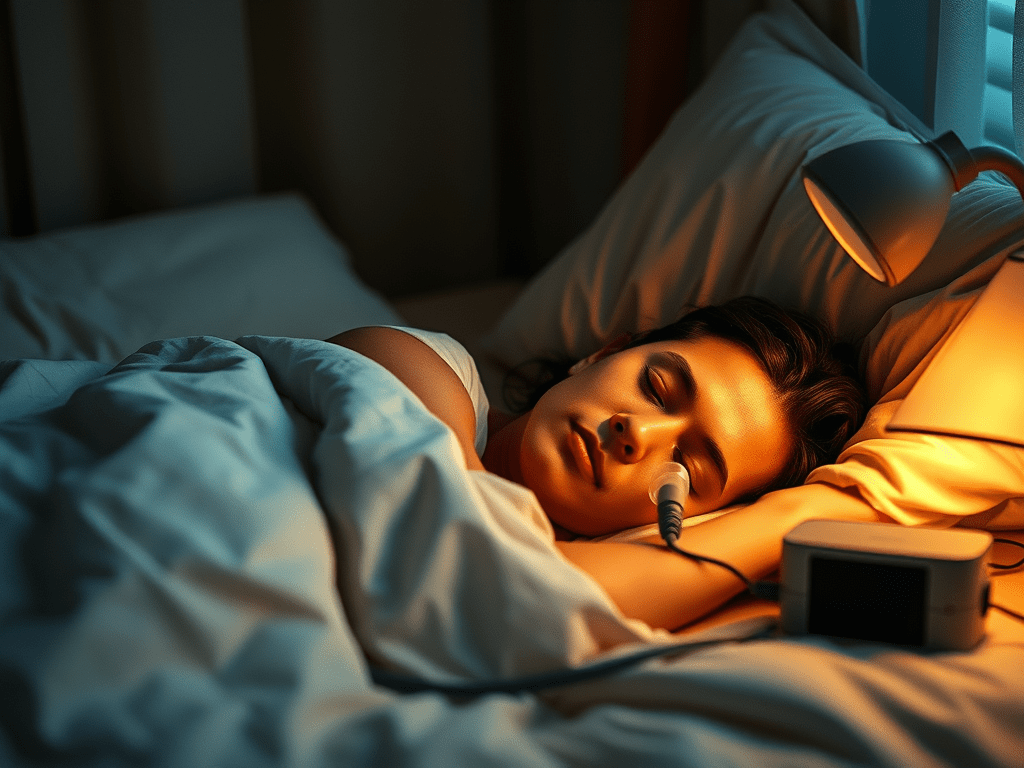
Sleep apnea is a common condition in which your breathing continuously stops and starts while you sleep, preventing your body from getting the oxygen it needs to function appropriately. This happens either because of an airway blockage (obstructive sleep apnea) or because your brain doesn’t properly control your breathing (central apnea). Your brain tries to protect you by waking you up enough to breathe, which prevents restful, healthy, restorative sleep. You may want to talk to your healthcare provider about sleep apnea if someone tells you that you snore or gasp during sleep or experience other symptoms of poor-quality sleep, such as excessive daytime sleepiness.
Risk Factors
Sleep apnea can affect people of all ages, gender and ethnicities.
Obstructive sleep apnea, commonly abbreviated as OSA (caused by an airway blockage), is more common in people with certain risk factors:
- Age and Gender. Before the age of 50, OSA is more common in men. After age 50, it affects women and men at the same rate. People are more likely to develop OSA as they get older.
- Obesity. Being overweight can significantly increase your chances of developing OSA, as increased fat deposits in and around the neck can block the upper airway.
- Genetics. Sleep apnea can be inherited, as your genes help determine the size and shape of your skull, face, and upper airway.
- Lifestyle. Alcohol consumption and smoking can increase your risk of developing OSA. Alcohol can relax the muscles of your mouth and throat, which may close your upper airway. Smoking can cause inflammation in your upper airway, which affects breathing.
Central sleep apnea (the brain doesn’t properly control your breathing) is also more common in people with certain risk factors:
- Age. As you age, normal changes in how your brain controls breathing during sleep may increase your risk of sleep apnea. This risk increases after age 60.
- Genetics. Your genes can affect how your brain controls your breathing during sleep.
- Health Conditions. Some health conditions can affect how your brain controls your airway and chest muscles. This includes but is not limited to heart failure, atrial fibrillation, stroke, amyotrophic lateral sclerosis (ALS), and myasthenia gravis.
- Lifestyle. Alcohol and smoking can affect how your brain controls sleep and the muscles involved in breathing. Opioid medications can also interfere with how your brain regulates breathing.
Symptoms of Sleep Apnea
- Fatigue. Feeling tired when waking up. Even after a full night’s sleep, people with sleep apnea commonly feel exhausted.
- Daytime sleepiness. People with sleep apnea often experience daytime drowsiness or frequently fall asleep throughout the day. This can lead to issues with learning, focusing, and reacting.
- Snoring. This is a common symptom of sleep apnea but is not present in all cases. You can also have sleep apnea without snoring at all.
- Waking repeatedly throughout the night. This symptom is often challenging to determine, as many people don’t realize or remember waking up, or they attribute frequent waking to other issues such as heartburn, needing to use the bathroom, etc.
- Pauses in breathing while asleep. A spouse, partner or loved one may notice these symptoms while you’re sleeping.
- Difficulty with blood pressure control. The American Academy of Sleep Medicine reports that nearly 80% of people with drug-resistant high blood pressure have obstructive sleep apnea.
- Lower extremity swelling. Studies have shown that idiopathic edema (swelling without a known cause) is associated with obstructive sleep apnea, especially in women. You can visit https://www.aafp.org for more information on this.
Diagnosis
Your healthcare provider will ask you about your symptoms and risk factors to determine if testing is needed to evaluate sleep apnea.
- Sleep Diary. A sleep diary can help you track how long and how well you sleep and symptoms such as daytime fatigue. These details can help your healthcare provider diagnose your condition and determine if more formal testing is needed.
- Sleep study. Your healthcare provider may refer you to a sleep specialist or schedule you for a sleep study. Sleep studies can help diagnose your type of sleep apnea and determine its severity.
Treatment
There are several ways to treat sleep apnea, depending on your specific type and severity. While these are not considered cures, they can help prevent apnea events or reduce how often they happen.
- Healthy lifestyle changes. Maintaining a healthy weight, exercising regularly, limiting alcohol consumption, quitting smoking, and sleeping on your side can help reduce your apneic events.
- Breathing devices. A breathing device, such as a CPAP machine, is the most common treatment for sleep apnea. This provides constant air pressure in your throat to keep the airway open when sleeping.
- Oral devices. Custom-fit devices that you wear in your mouth while sleeping to open the upper airway.
- Hypoglossal nerve stimulator. A trained medical professional implants this device, which works inside the body with a patient’s natural breathing process to treat sleep apnea. Mild stimulation keeps the airway open during sleep, allowing oxygen to flow naturally. This can be used in patients who do not respond to CPAP or have difficulty tolerating CPAP therapy.
Sleep apnea is a serious condition that can decrease your quality of life and, in severe cases, increase your chances of developing heart failure, heart arrhythmias such as atrial fibrillation, and sudden cardiac death. If you or a loved one feel that you may be suffering from sleep apnea, talk to your healthcare provider about the appropriate testing and treatment.
 FNPWrite.com