It’s common knowledge that smoking is bad for your health. Smokers have significantly increased rates of heart disease, stroke, cancer, and lung disease. In fact, the CDC states that smoking is responsible for nearly 1 in 5 deaths each year. But with the arrival of COVID 19, smoking became even riskier.
Smokers are more likely to get COVID-19.
- Studies have shown that smoking can lower your immunity, specifically to respiratory infections like COVID – 19.
- Having your hands near your face and mouth, such as when smoking, increases your chances of contracting viral illnesses.
- The social aspects of smoking can also increase the risk of spreading the virus, as people who smoke often do so in groups. This allows the virus to be easily transmitted between unmasked individuals in close settings.
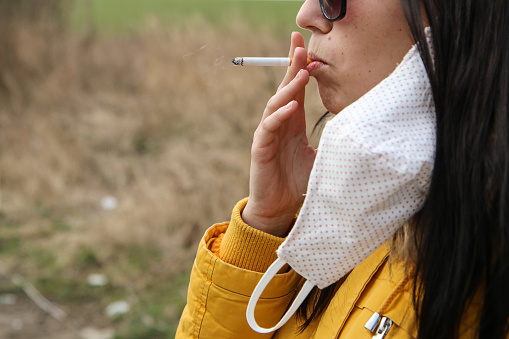
Smokers have a higher chance of severe COVID-19 infection.
- Smokers’ lungs are typically already damaged, and when exposed to viral illnesses such as influenza or other infections that affect the airways, they tend to get much sicker than nonsmokers. This is especially true with the coronavirus, which specifically targets the lungs.
- Smoking damages the cilia (tiny hair like projections) in your lungs, making it harder for them to clear out mucus and increasing your chances of developing pneumonia and acute respiratory distress syndrome.
- COVID-19 does not limit itself to the lungs. It has also been shown to have significant effects on the cardiovascular system, including heart failure, arrhythmias, and blood clots. Smoking increases these risks as well, placing the smoker in even more danger when battling a COVID-19 infection.
The Good News
- Quitting smoking can begin to show benefits within just a few weeks, including reduced inflammation and hypercoagulability (tendency to clot), two complications of COVID-19.
- In addition to this, the CDC states that people who stop smoking not only increase their overall health, they also increase their life expectancy, reduce their risk of 12 different cancers, and reduce their risk of complications from COPD and/or cardiovascular disease.
When You’re Ready to Quit
- Develop a personalized plan that works for you. This may include anything from quitting cold turkey to talking to a counselor to taking one of the many FDA approved medications designed to help you stop smoking.
- Talk to a QUIT Coach. Call 1-800-QUIT-NOW(1-800-784-8669) to be connected to your state’s quit line. Trained counselors will provide you with tips and tools for quitting and may be able to help you get free or reduced-cost nicotine replacement therapy medications. You can also call the National Cancer Institute Quitline at 1-877-44U-QUIT (1-877-448-7848) Monday through Friday from 9:00 a.m. to 9:00 p.m. for quitting help in English or Spanish.
- Manage your stress. Increased stress and anxiety can make it hard to quit. The current pandemic has only added to everyone’s stress levels. Find a way to decrease your stress. This could be something like yoga, walking, meditation, or simply a daily chat with a friend.
- Don’t give up! If you have a bad day and smoke a cigarette, this doesn’t mean you failed! Start again tomorrow. It takes most people several attempts before they quit once and for all. Stay focused to stay healthy!
- Regardless of what you choose, make sure to see your healthcare provider first and discuss your plan with them.
Originally published in Kingsport Times News, Thursday, April 7, 2021. Healthy Kingsport: Smoking and COVID-19 | | timesnews.net
 FNPWrite.com